Other
projects
Another major project accomplished
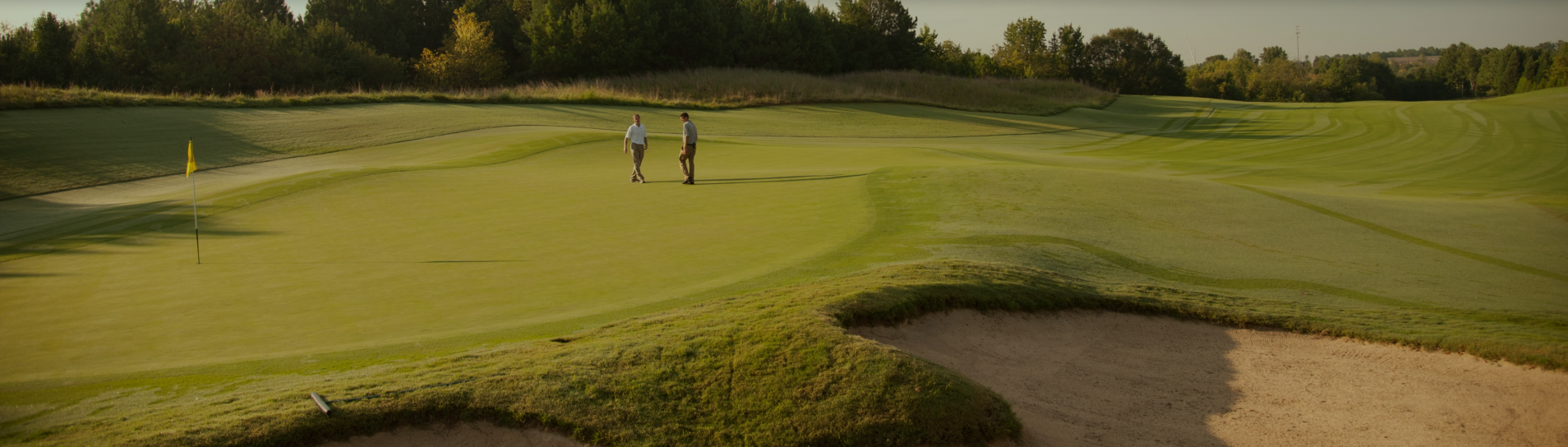
with volunteer labor was the installation of a herringbone drainage
system under two of our push-up greens. The sod was removed and
laid off to the side in the pattern in which it was removed. Trenches
were lined with plywood, and soil was hand shoveled into trucksters.
Tile was installed and covered with drain rock, and trenches were
then backfilled with sand. Finally, the sod was very carefully
replaced. Both of these greens drainage projects were very successful.
Each green was out of play for a day and a half and within one
week, the scars were difficult to detect. Because one of the greens
drained too quickly, we later installed a control valve at the
drain's outlet that can be opened or closed, depending on the
needs of the green. These projects would have been impossible
with our limited budget and regular maintenance crew, but it was
very affordable with the help of the volunteers.
Some of the other projects volunteers
have worked on since 1990 include:
* Cleaning the golf
course after storms
* Spring cleaning the clubhouse
* Operating food and registration
tents during tournaments
* Re-shingling the clubhouse
roof
* Construction of a retaining
wall and
ornamental flower bed
* Construction of an enclosed,
heated shop area in the new maintenance building
* Repainting the clubhouse
interior
* Rock removal and finish
grading
* Installation of a 1,500-foot
natural gas line
* Construction of a suitable
pesticide storage facility
* Installation of several
hundred feet of drainage lines
* Installation of granite
tee signs
* Remodeling the clubhouse
women's restroom
* Remodeling the pro shop
area and display racks
* Removing old clubhouse carpet
* Constructing a golf car
enclosure area
* Completing three replacement
bridges spanning the Beaver River
'Valuable resource'
At one of our annual membership
meetings, the wife of one volunteer approached me and asked how
I get these guys to continue to participate in what are often
labor-intensive and exhausting projects. I don't know why these
individuals continue to volunteer for what is often quite strenuous
work -- all I know is that they do.
However, based on what I have learned
in the last 10 years of planning these volunteer projects, I have
come up with a few tips that I believe have led to success:
* The project must be well
planned and thought out.
* Assign tasks immediately
and don't have too much help on hand -- helpers will quickly lose
interest if it appears they are not needed.
* Recognize early the talents
of each individual.
* Delegate to each individual
the task he or she is best suited for. This is
best accomplished by knowing in advance their work history, hobbies
and interests.
* Identify early those who
work best together. Your volunteers must enjoy whom they are working
with or they may never come back.
* Provide plenty of free food
and beverage. They may not be willing to return if you do not
keep them comfortable while they are there.
* Make sure they have the tools
they need to do the job.
* Equip the volunteers with
modern power tools (rent them if necessary). They will not be
interested in helping you if they know there is a better way to
do the job.
* Take great interest in all
of their ideas and suggestions.
* Treat them as a valuable
resource that you appreciate.
* Insure general liability
coverage where workman's compensation will not apply.
Another very valuable resource for accomplishing
major projects may already be at your disposal. Recognize the talents
that you have on your existing paid staff. If you are using retired
personnel for some of your mowing, you have many years of life experience
on your staff. We are very fortunate to have a very talented welder
and steelworker on our mowing staff, who has been responsible for
replacing three of our golf car bridges that span 80 feet across
the Beaver River. Because most of the steel beams for the bridge
super structures were donated
from the North Shore Mining Co., excluding labor (much of it was
volunteer), we have approximately $2,000 invested in each of the
three bridges we replaced. Compare this to the cost bids we received
that were in excess of $50,000 each. Most courses will not be that
fortunate, but you never know until you start researching your options.
Never underestimate the value of the resources you already have.
If you have a larger budget or work
at a course without a regular membership, this type of program
may not generate much interest. However, I believe that as golf
course maintenance costs continue to escalate, golf course superintendents
and managers will be forced to come up with more creative and
innovative ways of continuing to provide the playing conditions
that are demanded for less money.
We are very proud of the things
that
have been accomplished through our
membership at Silver Bay CC. The members who have participated
in these projects have become good friends of the maintenance
staff. These members never complain when we aerate or topdress
greens, nor do they complain when the "no cars" sign is up after
a heavy rain. They take great pride in their golf course because
they have played such a large role in improving the conditions
of it.
A good superintendent will recognize
that he or she is working for the golfers, and these are the people
who will dictate whether you are doing a satisfactory job. Imagine
the unique relationship that is established when you change the
structure somewhat, so that your bosses are now working for you.
Norma O'Leary is CGCS
at Silver Bay (Minn.) Country Club and a 12-year member of GCSAA.
This article appeared originally in the Minnesota GCSA publication
Hole Notes.