

This region includes Arizona, California, Hawaii and Nevada
Prior to joining the GCSAA staff, Jeff spent more than a decade in the golf industry in management and marketing. He resides in Henderson, Nev.
Tel. 800-472-7878, ext. 3603; jjensen@gcsaa.org
Long-term plan could have major ramifications on golf’s water use in the Southwest
The February 14 deadline for negotiations on a new Colorado River management framework is more than a political milestone — it is a turning point with direct implications for golf courses across the Southwest. Courses in California, Arizona and Nevada operate in one of the most water-stressed regions in the country, and the outcome of these talks will shape water availability and regulatory certainty for years to come.
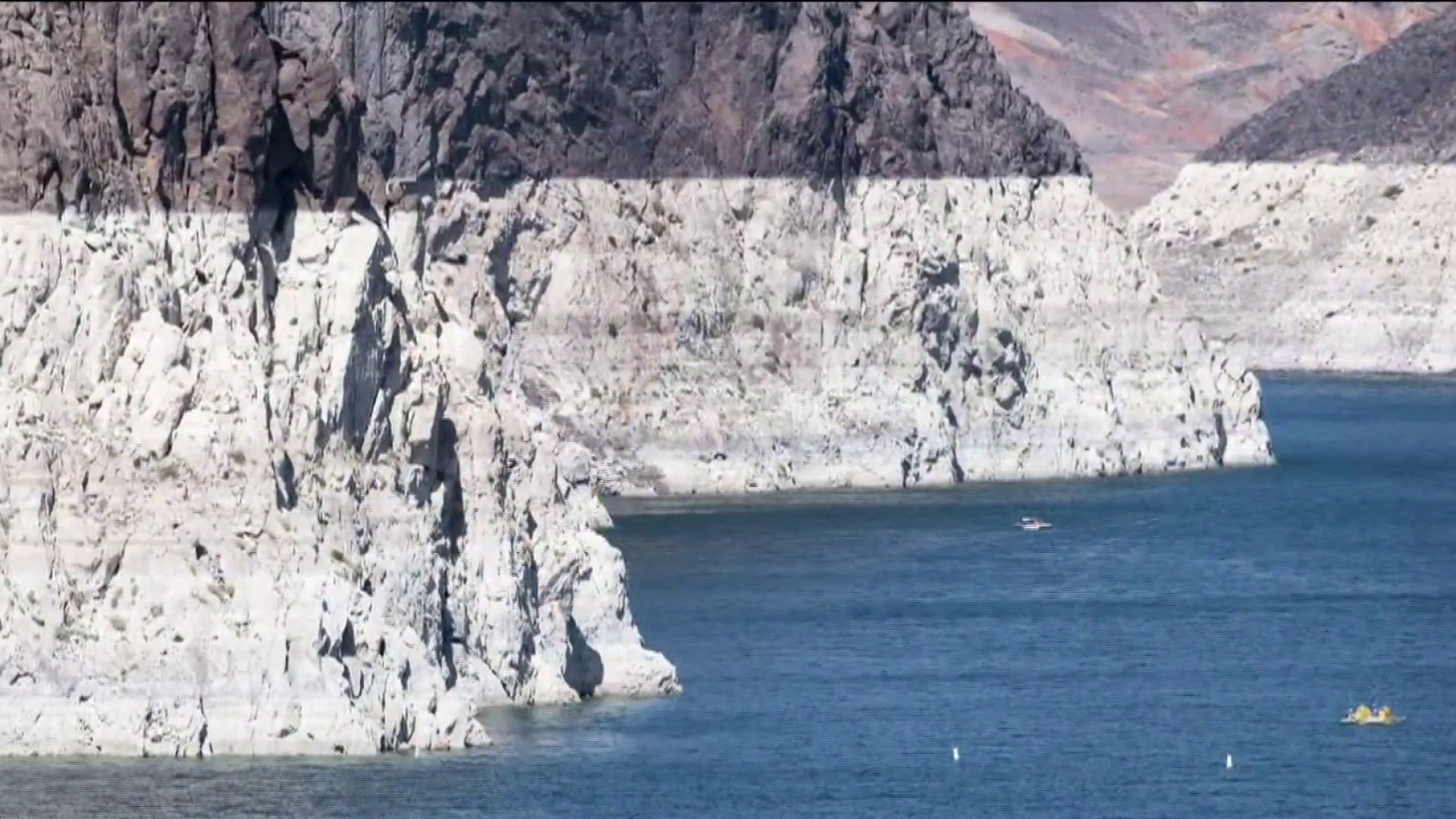
The current Colorado River operating guidelines expire in 2026. With Lake Mead and Lake Powell at near-record low levels, federal officials have pressed the seven basin states to agree on a long-term plan by February 14 (the states failed to meet the November deadline, which was later extended). If they fail, the U.S. Department of the Interior may impose its own management rules. For golf courses, that uncertainty matters. State-level allocations, conservation mandates and local water pricing are all tied to how the river is ultimately managed.
Golf courses are often visible symbols in water debates, even though many have already made significant investments in efficiency. Over the past two decades, courses have shifted toward recycled water, high-efficiency irrigation systems, turf conversions, and improved agronomic practices. However, a new river accord could accelerate requirements for further reductions, particularly in Lower Basin states and cities (Las Vegas, Phoenix, Coachella Valley), where water-use cuts are likely to be deeper. Courses in Southern Nevada already operate on a 4.0-acre-feet water budget, and further cuts could prove disastrous for the industry.
The February deadline also highlights the importance of proactive engagement. Golf facilities that rely on Colorado River supplies — either directly or through municipal providers — should be closely watching how states allocate risk. A negotiated agreement could provide predictability, allowing courses to plan capital improvements, turf transitions and long-term budgets. A federally imposed plan, by contrast, could result in abrupt changes with limited local flexibility.
For course owners, superintendents and associations, this moment underscores the value of telling the golf industry’s water story clearly and credibly. Golf is a managed landscape that provides economic activity, recreation and environmental benefits while protecting open space that has become limited in the Southwest. Demonstrating continued commitment to conservation will be essential as water agencies and lawmakers look for users who can adapt responsibly.
As February 14 approaches, one thing is clear: the future of the Colorado River will influence how golf courses operate, invest and communicate their role in a water-constrained Southwest.
Upcoming events in the region.