Camp's innovation, mentorship and passion shaped Nebraska golf and inspired three sons to become superintendents.
Key takeaways
- Camp helped advance Nebraska golf course management through new turfgrass practices and leadership in the profession.
- His dedication shaped his sons’ work ethic and inspired all three to pursue careers as superintendents.
- His influence continued through retirement as he returned to course maintenance and shared his experience with others.
For Lon Camp, CGCS, caring for a golf course was a passion he passed along to his family. A 64-year GCSAA member, Camp helped advance golf course management in Nebraska while raising three sons who would become superintendents themselves. He died Jan. 20, 2026, at age 87. During GCSAA’s Centennial year, his story highlights the lasting contributions one superintendent can make through the courses he cares for and the people he teaches.
Camp’s career took his family across Nebraska. His son Michael recalls living in a small apartment above the pool house at Kearney Country Club, where his father worked when Michael was born in 1963. The family later moved to Fremont Country Club before Camp joined Happy Hollow Club in Omaha in 1974.
Michael remembers his father returning to the course after Sunday dinners, making time for family before finishing whatever work remained. Camp taught his sons that every member was their boss and that their work mattered to the people who supported the club. Michael credits his father with shaping both his work ethic and his passion for the profession.
Camp’s dedication to golf shaped the entire Camp family's life. Michael joined Happy Hollow’s maintenance crew at 15, and his brothers, Tim and Tom, also worked on the course as teenagers. Their mother and a niece also worked in golf. Tim remained at Happy Hollow until retiring in March 2026, the same month Michael retired. Their younger brother, Tom, continues working at Willow Lake Golf Course in Bellevue, Neb.
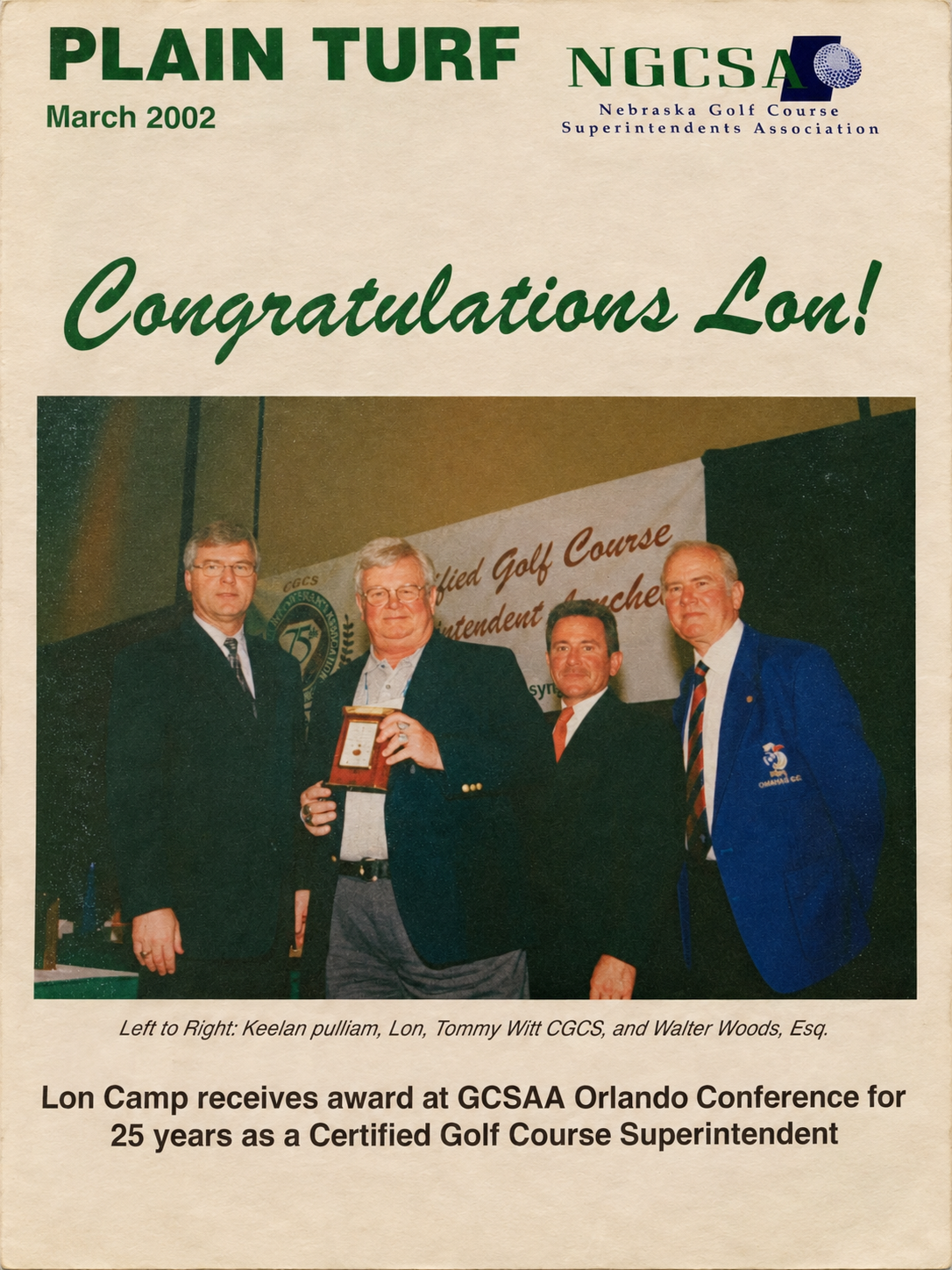
Camp also helped lead the profession through the Nebraska GCSA, serving as president from 1963 to 1964. He was proud to have become Nebraska’s second certified golf course superintendent, following his boss.
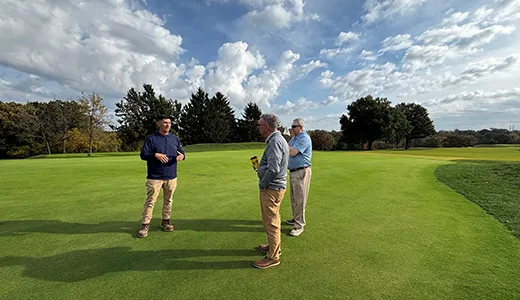
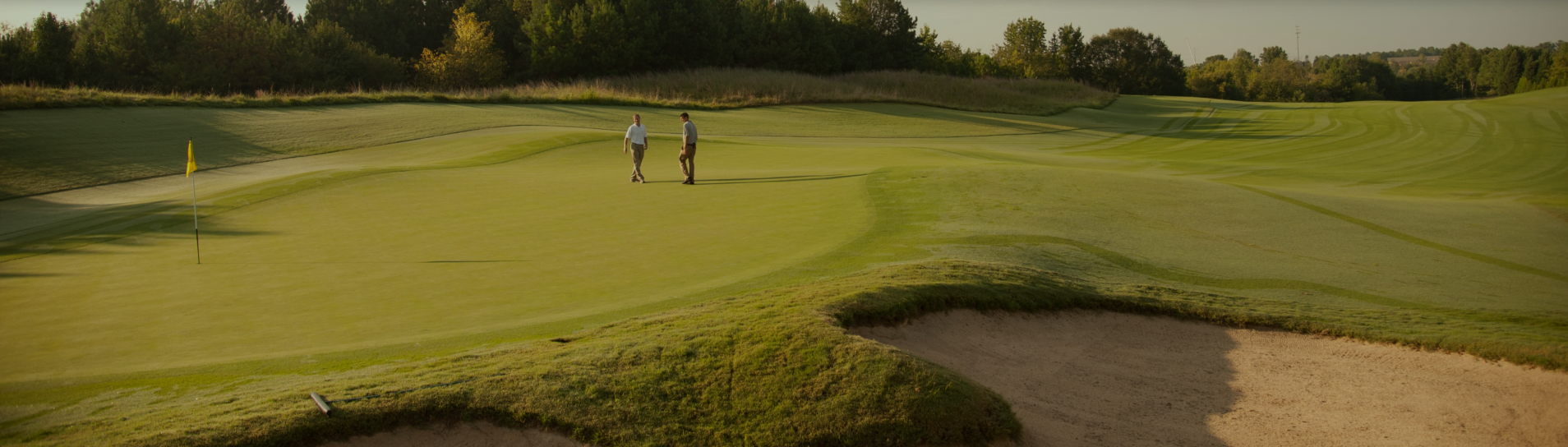
At Happy Hollow, Camp’s willingness to introduce new practices helped change the course over his 25-year reign. According to Michael, his father was among the early, perhaps the earliest, Nebraska superintendents to convert fairways from a ryegrass and bluegrass mix to bentgrass. He began with a par-3 hole, giving members an opportunity to experience the change before proceeding with the remaining fairways. Michael recalls that the conversion provided better lies for golfers and offered maintenance cost advantages. His brother Tim also credits their father with helping introduce more complex, computer-based irrigation systems at Happy Hollow that allowed for more measured and efficient water use. Camp wrote his own computer program for the irrigation when none was available.
Introducing change could also be difficult. Michael remembers times his father’s pioneering spirit created challenges for him. As one of the first superintendents to top-dress regularly at his course, Camp faced pushback. Now a widely accepted practice, it left golfers at the time questioning his father’s topdressing: “Why’s there always sand on the greens?” In 1994, in his 20th year at Happy Hollow, Camp lost his position following a membership vote, Michael recalls.
For Michael, the experience illustrates the challenge his father faced in gaining acceptance for a practice now familiar to many golfers as part of routine course maintenance.
Camp later brought his experience to Indian Creek in Elkhorn, Nebraska. Michael recalls that the story went that the club was looking for Nebraska’s best superintendent and was pointed in the direction of Camp.
Camp remained there until his retirement in 2006. After realizing he wasn’t built for a traditional retirement, Camp returned to Indian Creek the following year to serve on the maintenance crew. His father’s return made sense to Michael. His father had spent decades getting up at 5 a.m. and heading to a golf course. “It’s what he knew,” his son added.
During Camp’s brief hiatus, Michael had accepted the assistant superintendent role at the course, so he was once again, just like at Happy Hollow during Michael’s youth, spending time working alongside his father.
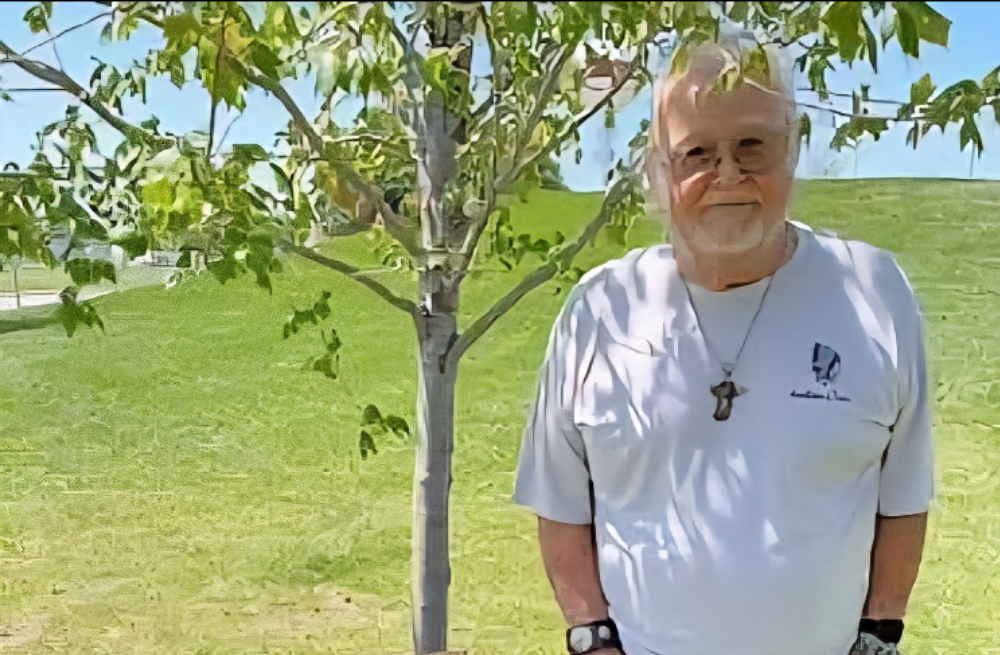
Eventually, he reduced his schedule from five or six days a week to three, but his enthusiasm remained. Camp worked on the course into his 86th year. Indian Creek recognized his contributions by dedicating a tree in his honor.
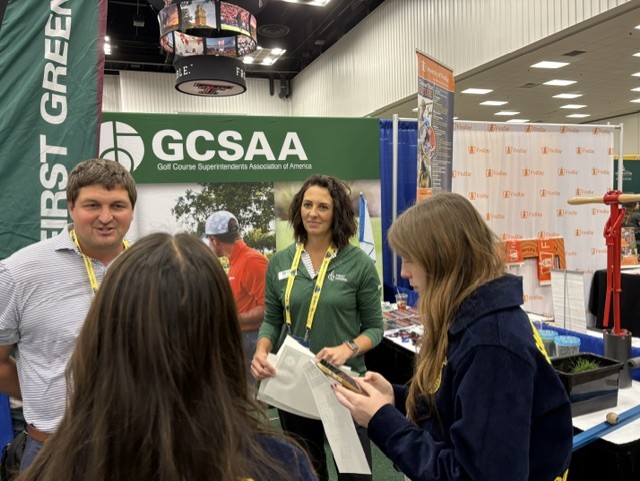
Camp’s influence and efforts extended beyond just his home course. The profession as a whole and the community that came with it were important for him to nurture. He made attending the annual GCSAA Conference and Trade Show a tradition, often following it with a vacation. He invested in the future of the profession. He helped to establish the Nebraska Turfgrass Foundation whose mission is “Better turf through research and education.”
His efforts led to some well-deserved accolades. In 1978, he was named the Nebraska Superintendent of the Year. In 1996, he received the Nebraska Distinguished Service Award.
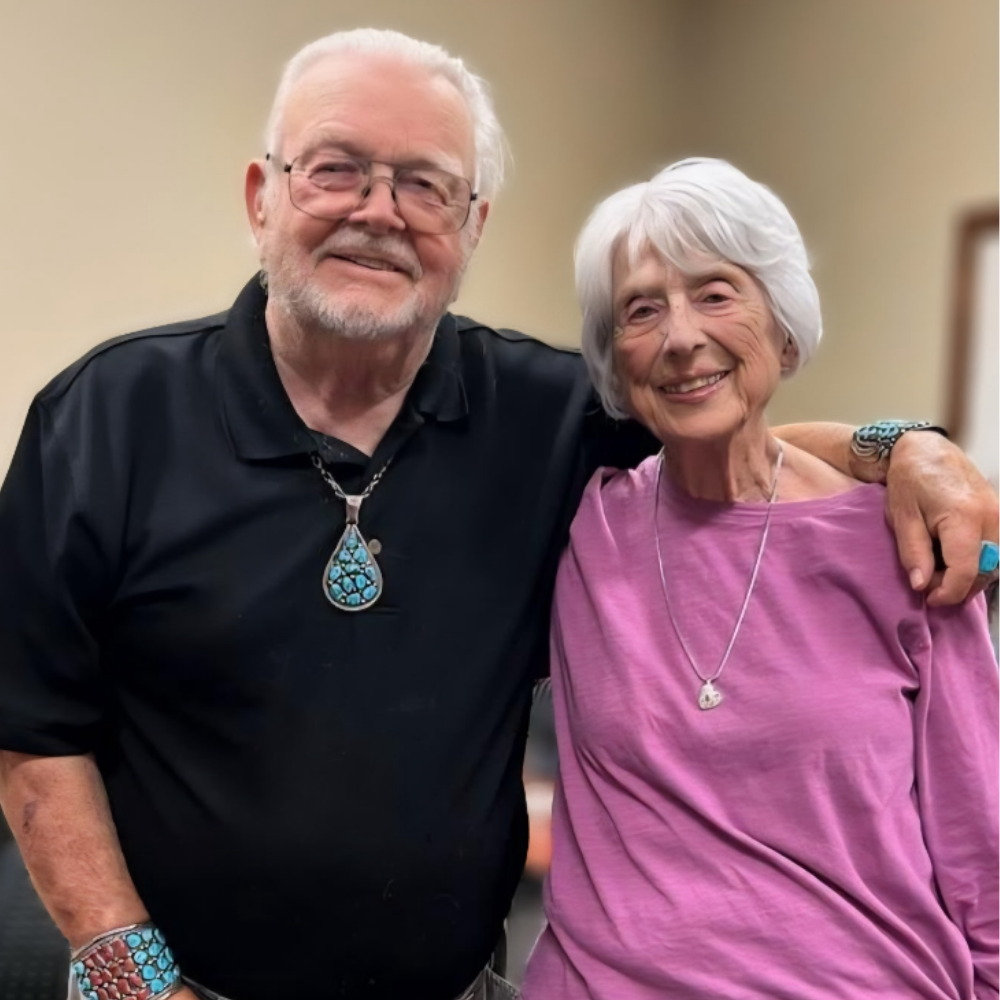
While he was held a pioneering and noteworthy career, away from the work, Camp also had an eclectic style people remembered. He wore a collection of rings and necklaces that regularly drew compliments from strangers. At 80, he grew his hair into a ponytail. Michael said he was not easily forgotten.
His legacy remains in the courses he helped improve, the colleagues he mentored and the family members who followed him into golf course management. For his sons, those lessons began on the maintenance crew and continued through a lifetime of watching their father do work he loved.
Next step